Product reviews
Honest assessments of privacy tools and hardware — verified specs, no repeating manufacturer claims.
Phones

Pixel 9 with GrapheneOS review — the latest generation
The Pixel 9 has the Tensor G4 chip, Titan M2 security chip and updates until 2031. Assessed: does the latest generation justify the higher price over the Pixel 8?

Google Pixel 9a with GrapheneOS: the best value privacy phone of 2026
The Pixel 9a combines the Tensor G4 chip and Titan M2 security with a price of €399. The new value champion for GrapheneOS.

Google Pixel 8a with GrapheneOS: the best privacy phone for most people
The Pixel 8a is the value champion for GrapheneOS. Daily driver — what to expect.
Routers
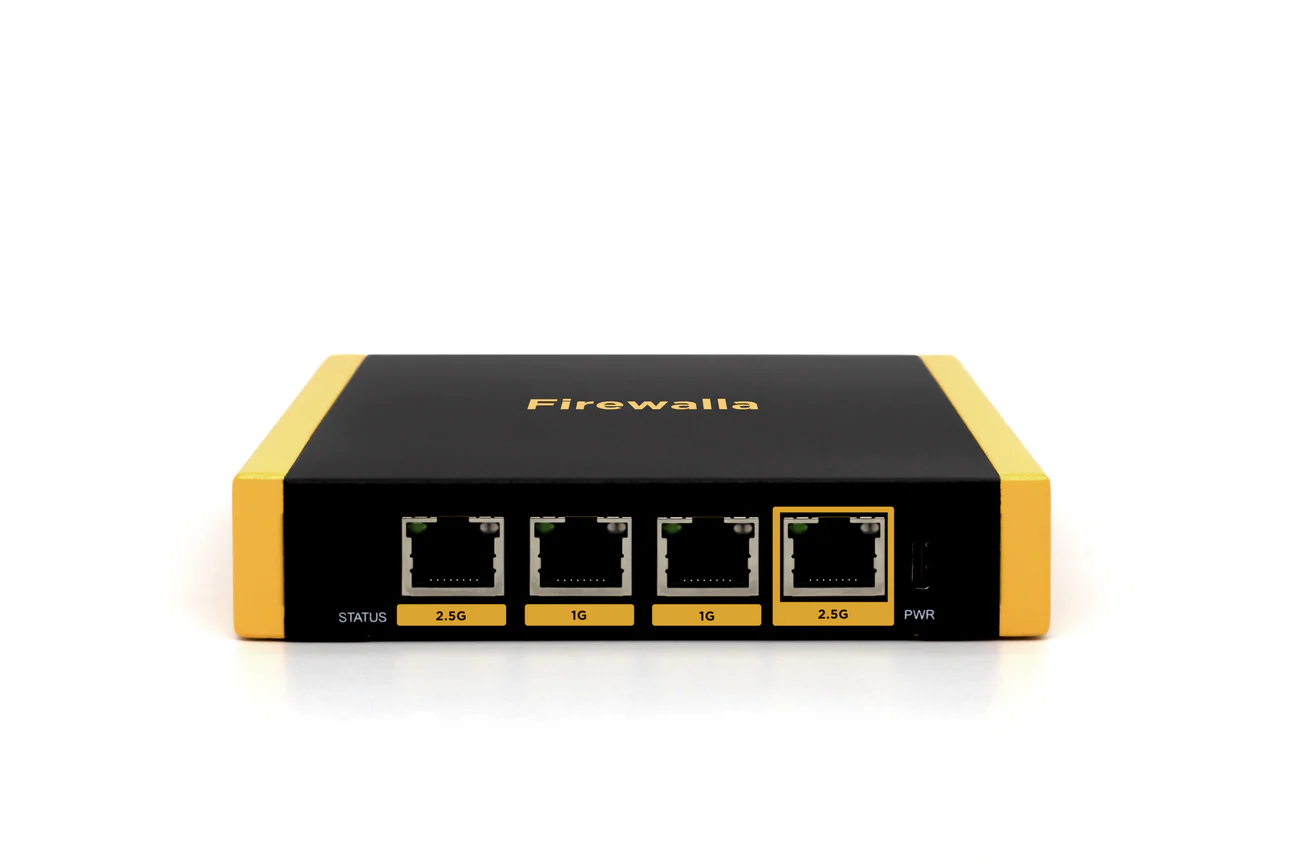
Firewalla Gold review — plug-and-play firewall for home network
Firewalla Gold is a small red box that secures your home network via an app. No CLI, no configuration files. Assessed: who this is the right choice for.
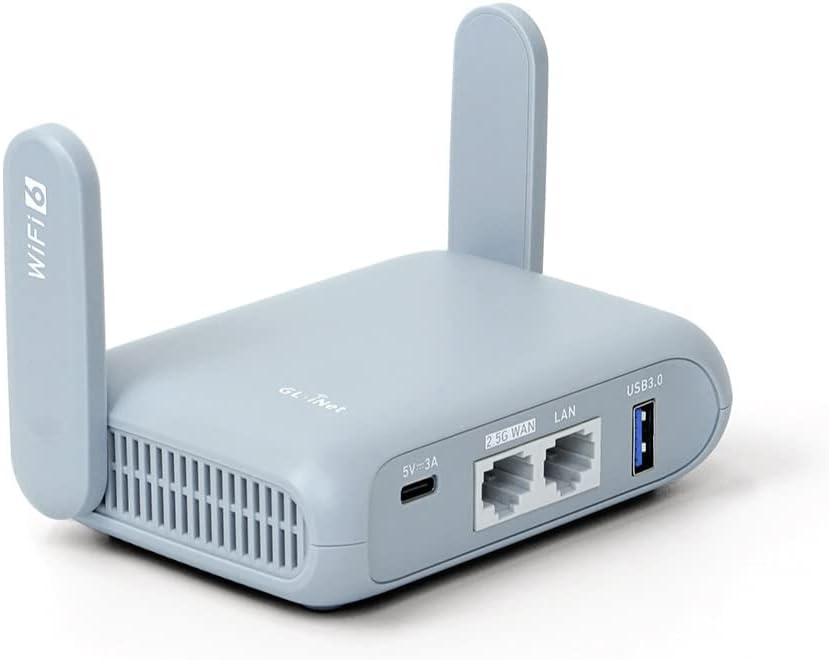
GL.iNet Beryl AX (MT3000) review
The GL.iNet Beryl AX is a travel router with Wi-Fi 6, built-in WireGuard VPN and AdGuard Home. Tested on the road and at home.
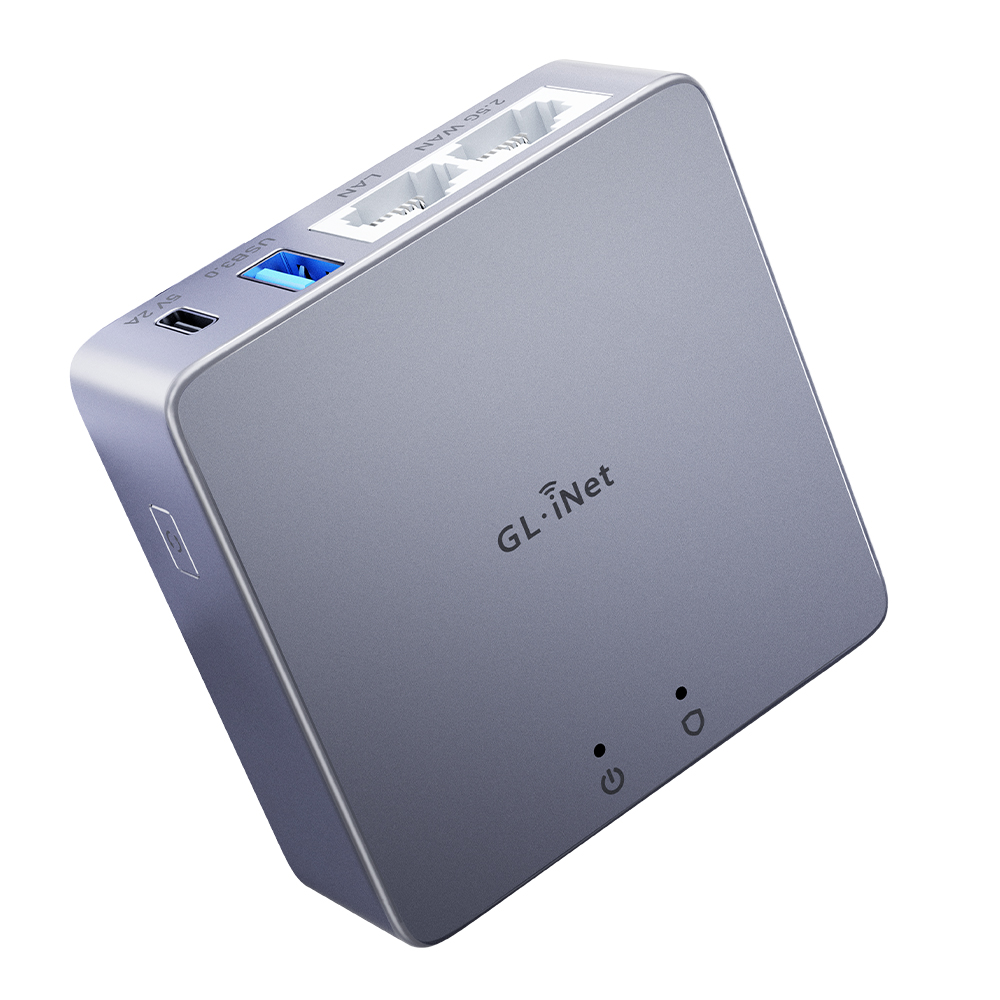
GL.iNet Brume 2 (MT2500) review
The GL.iNet Brume 2 is a compact VPN gateway without Wi-Fi. Place it between your modem and router, and all your devices automatically go through WireGuard. 310 Mbps, silent, low power.
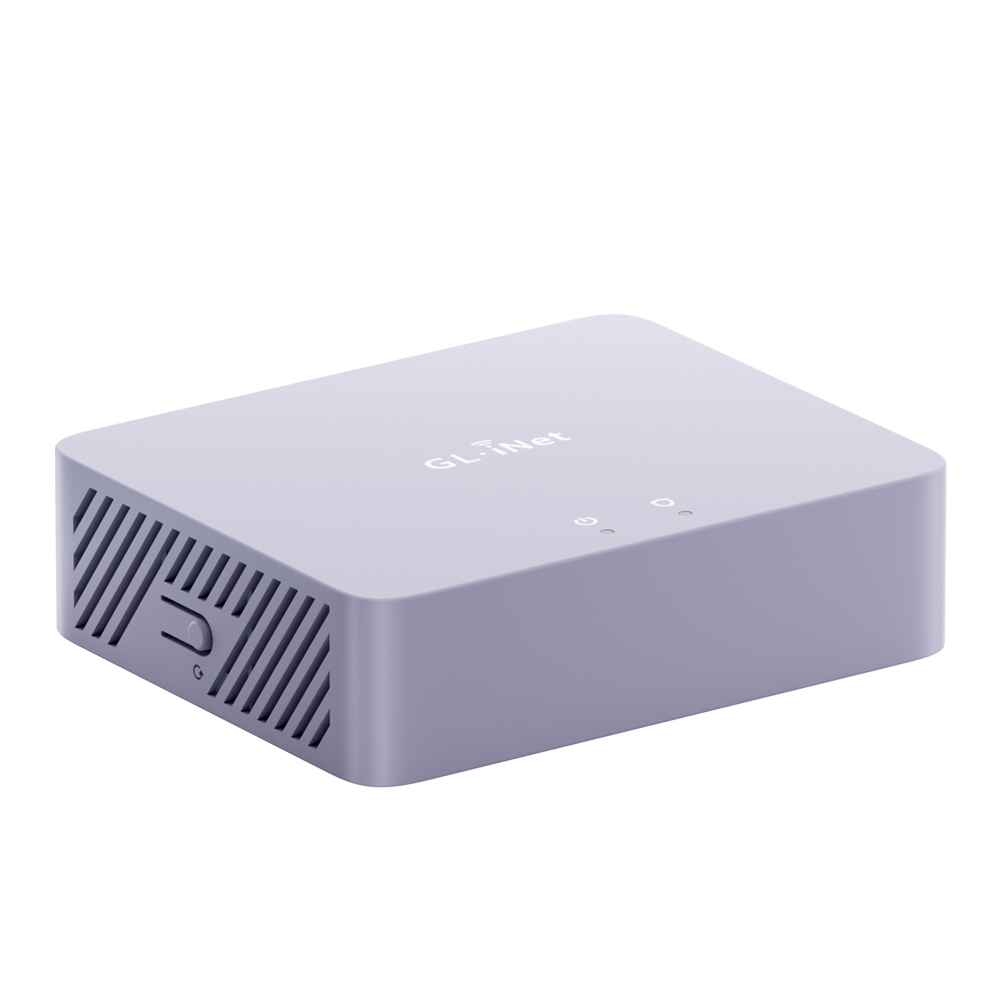
GL.iNet Brume 3 (MT5000) review
The GL.iNet Brume 3 is a Wi-Fi-free VPN gateway with 1,100 Mbps WireGuard throughput and AmneziaVPN support for bypassing VPN blocks. The fastest home gateway from GL.iNet.
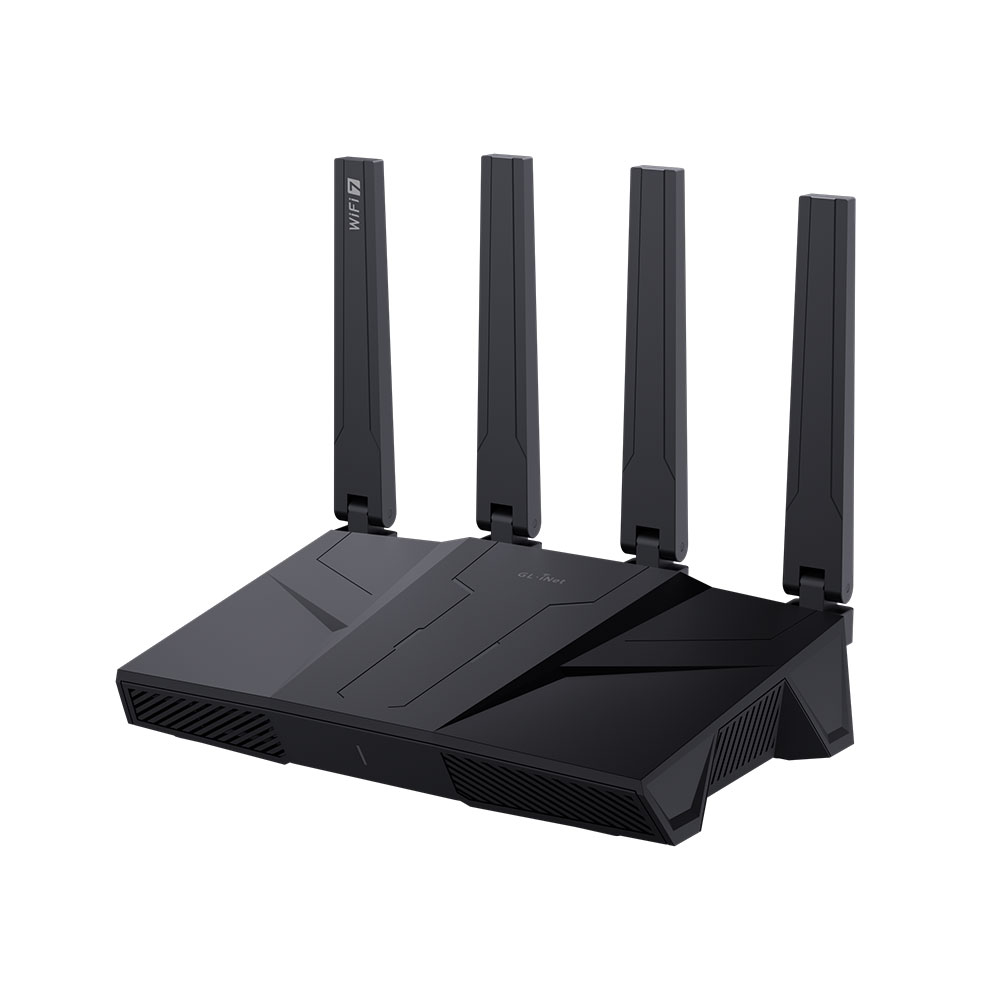
GL.iNet Flint 3 (BE9300) review
The GL.iNet Flint 3 is a Wi-Fi 7 home router with five 2.5G ports, tri-band Wi-Fi and built-in WireGuard VPN. The successor to the popular Flint 2, now with the latest Wi-Fi generation.
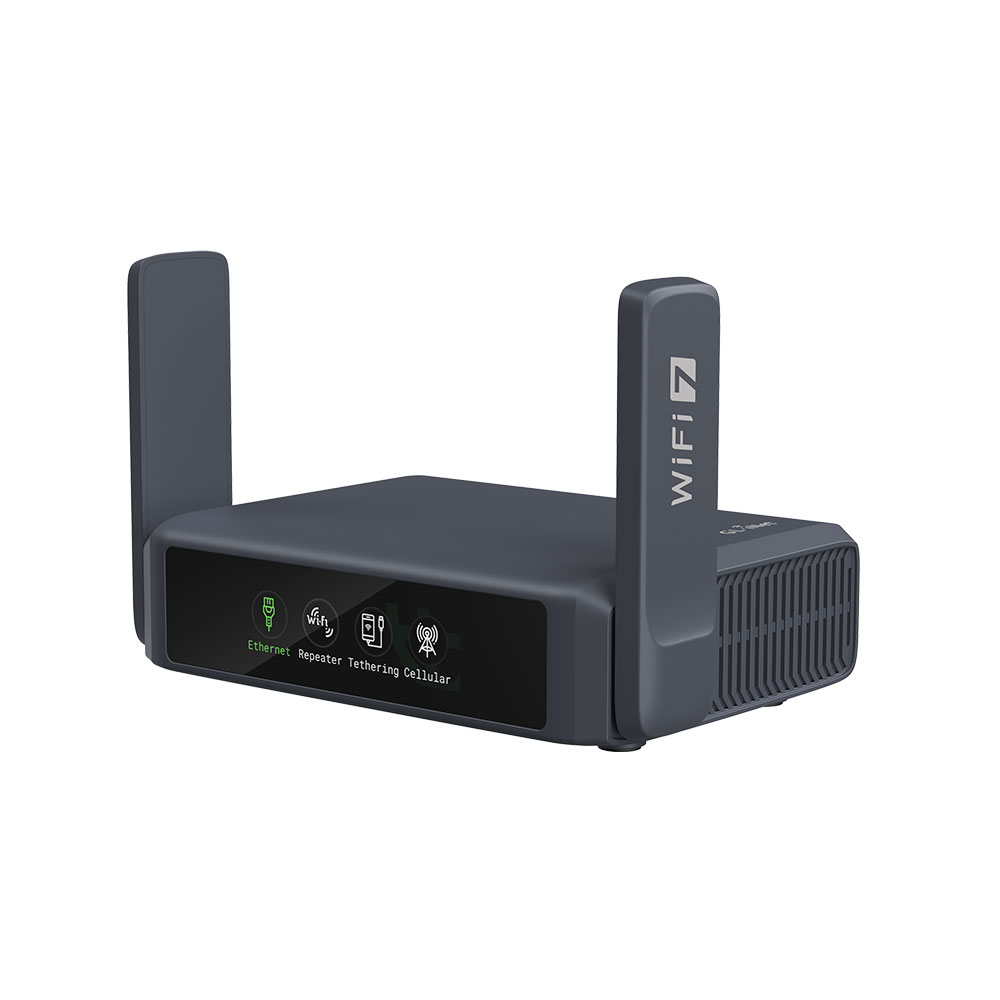
GL.iNet Slate 7 (BE3600) review
The GL.iNet Slate 7 is GL.iNet's first Wi-Fi 7 travel router. Two 2.5G ports, touchscreen, and built-in WireGuard VPN. For those upgrading from the Beryl AX to the latest Wi-Fi generation.
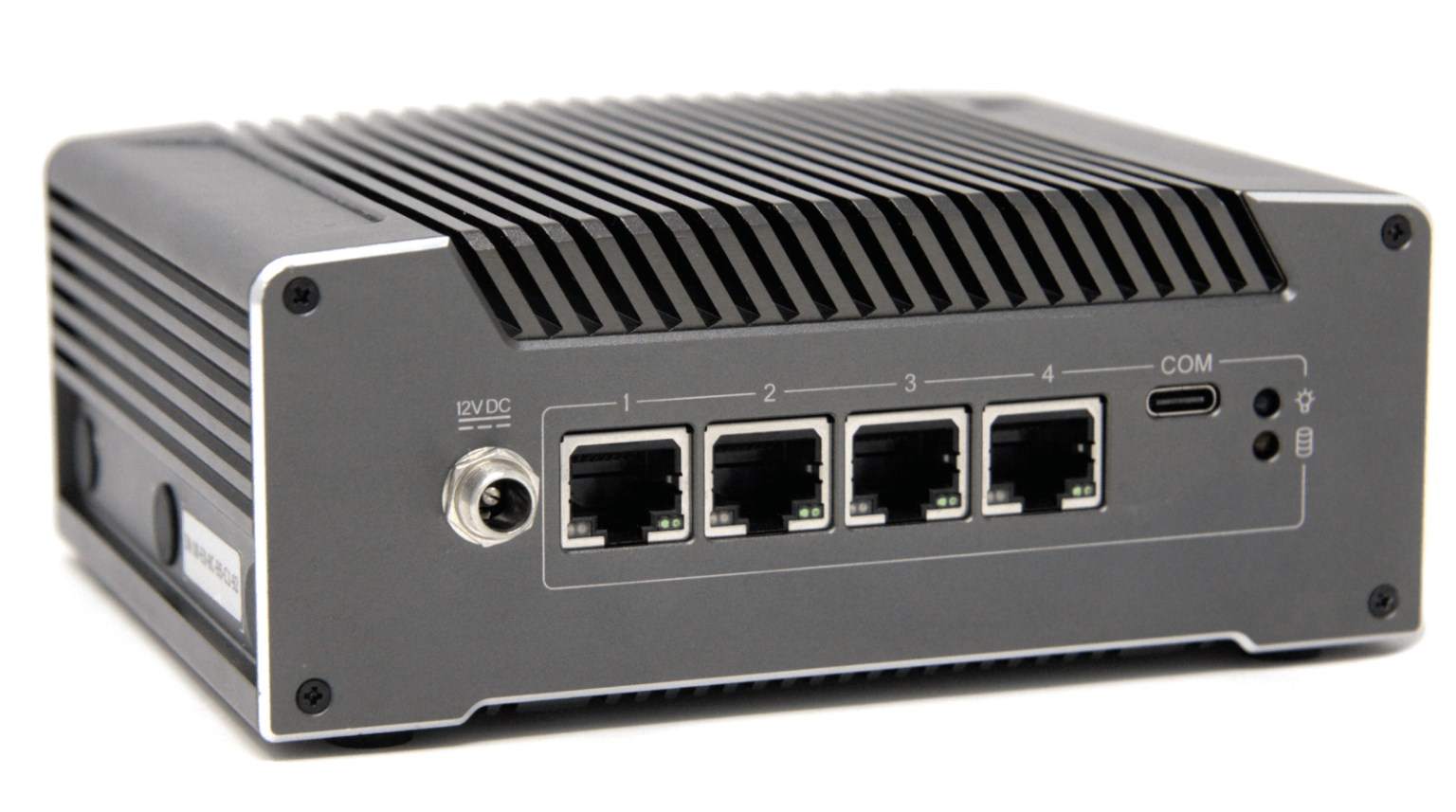
Protectli Vault review — fanless mini PC for OPNsense and pfSense
The Protectli Vault is a compact, fanless mini PC with multiple Intel network ports. The default choice for those wanting to run OPNsense or pfSense on dedicated hardware.
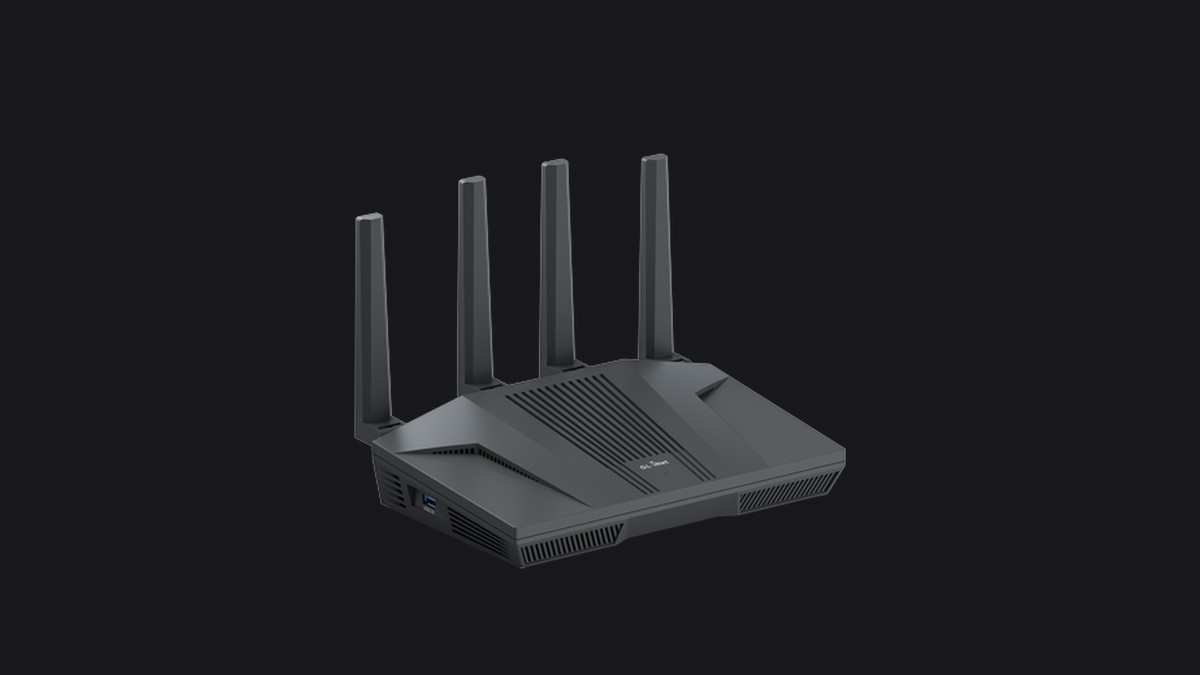
GL.iNet Flint 2 (MT6000) review
The GL.iNet Flint 2 offers WireGuard performance up to 900 Mbps and a full OpenWrt installation. Tested: does it deliver on its promises?
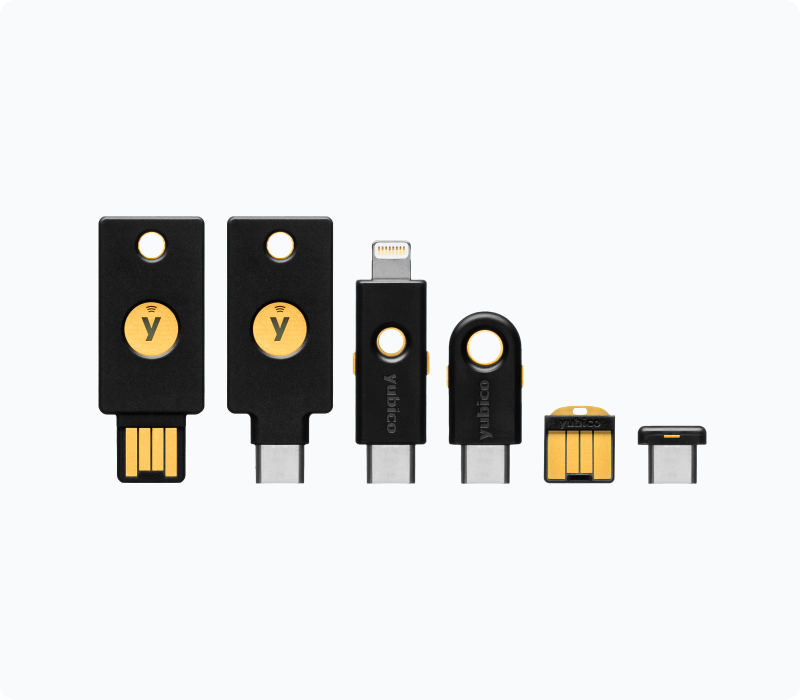
Security keys
Crypto
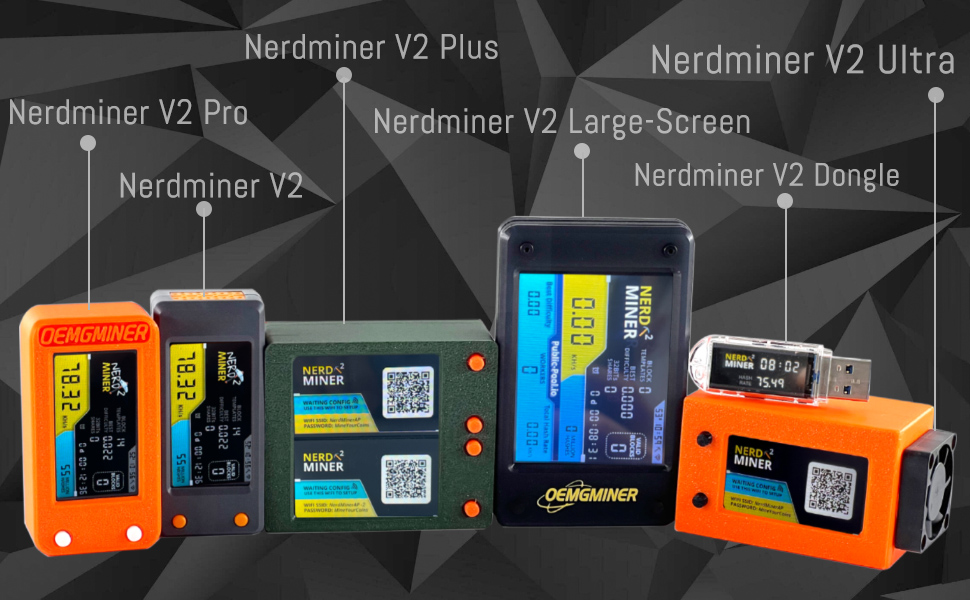
NerdMiner v2 review — solo Bitcoin miner for the desk
The NerdMiner is not a serious Bitcoin miner — that's not the point. It's an educational device that makes the workings of Bitcoin mining tangible.
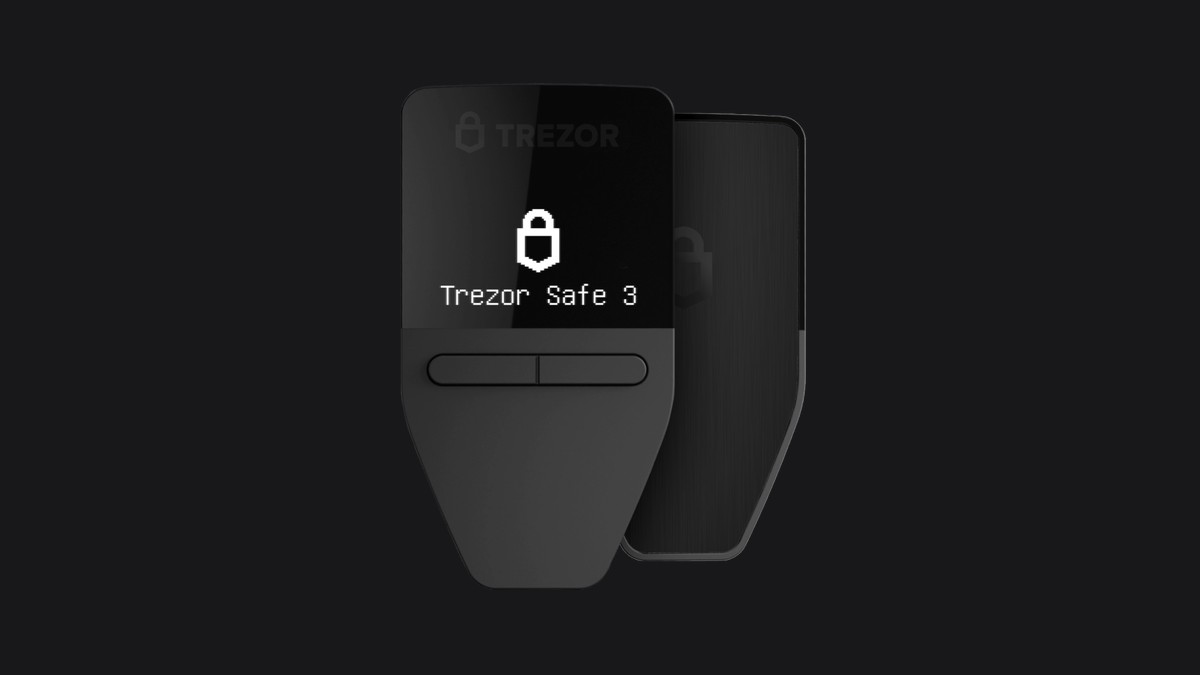
Trezor Safe 3 review
The Trezor Safe 3 is the sweet spot in the hardware wallet market: open-source firmware, EAL6+ secure element, and a price that is no excuse to delay.
Physical security
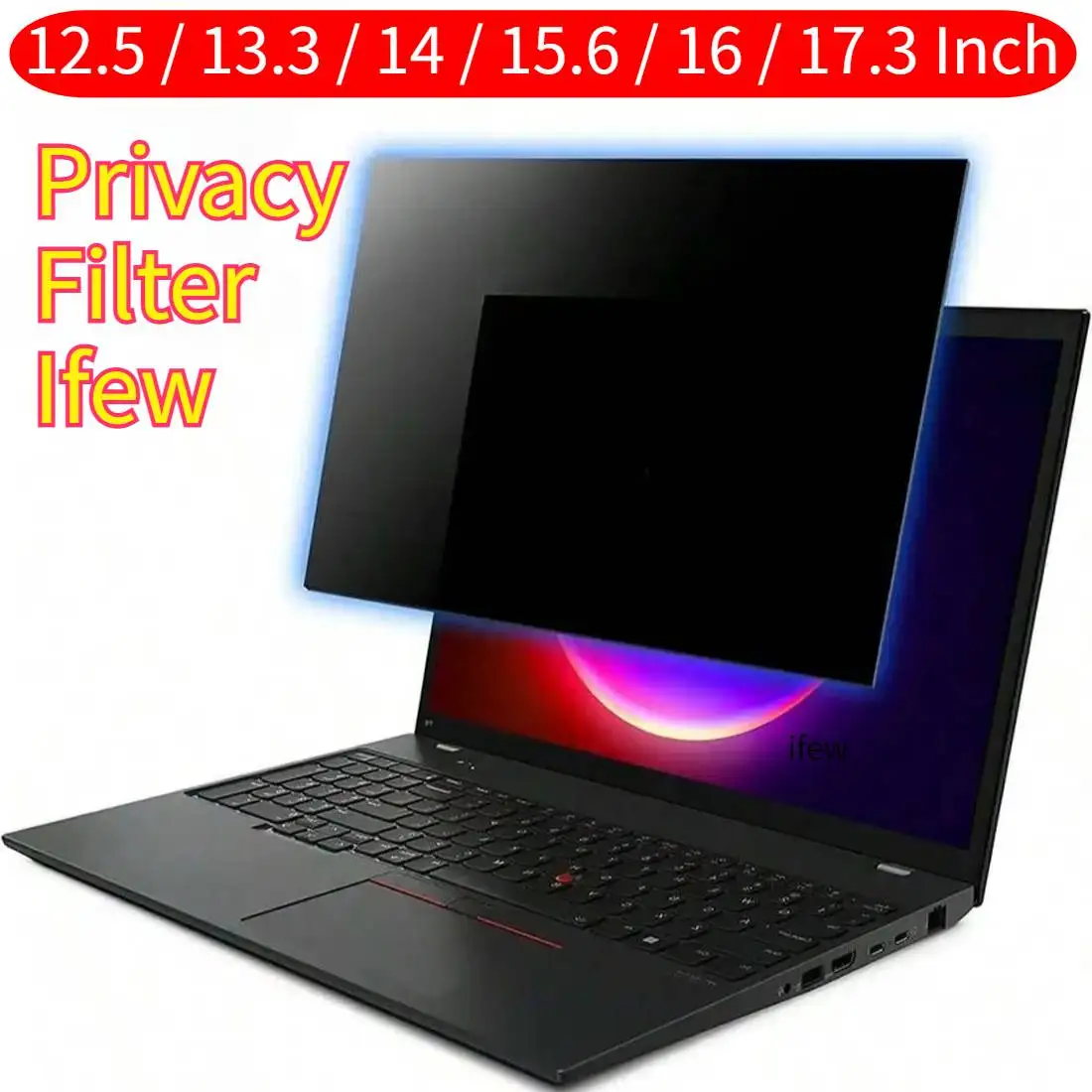
Privacy screen review — viewing angle protection for laptop and monitor
A privacy screen limits the viewing angle to ±30 degrees so nobody next to you can see your screen. Actual viewing angle measured, brightness impact assessed.
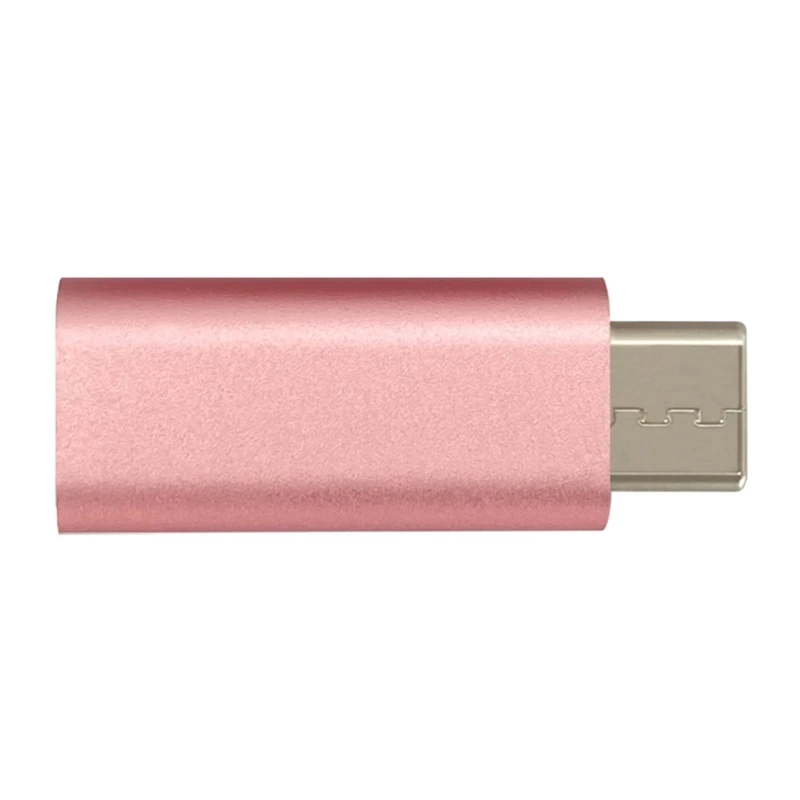
USB data blocker review — protection against juice jacking
A USB data blocker costs less than €10 and protects your phone against juice jacking at public charging points. Tested: does it actually block the data pins?
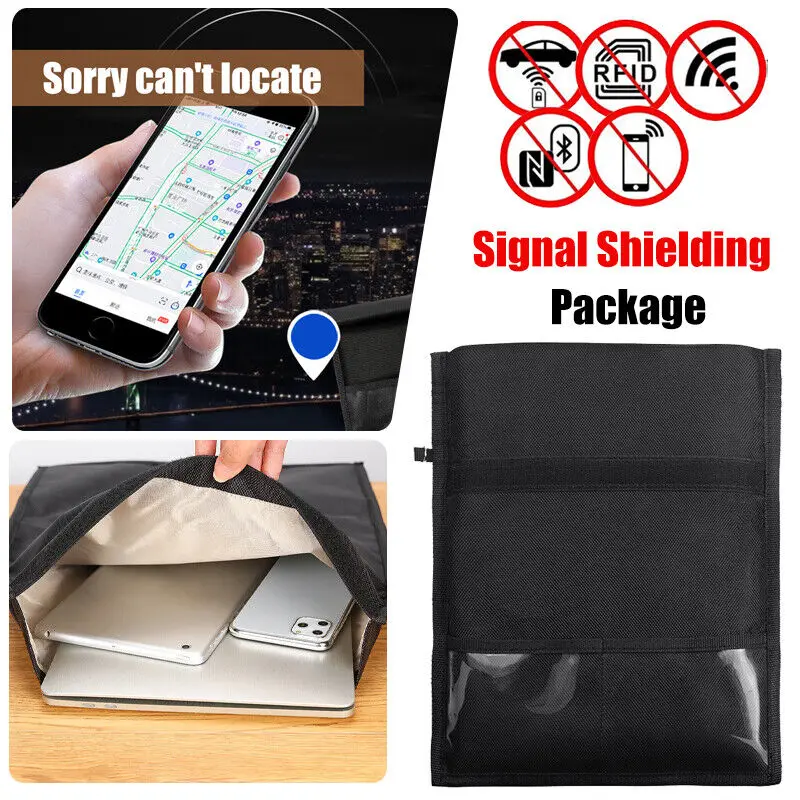
Faraday bags tested: do they actually work?
We measure RF signal attenuation of popular Faraday bags with test equipment. Not all bags do what they claim.
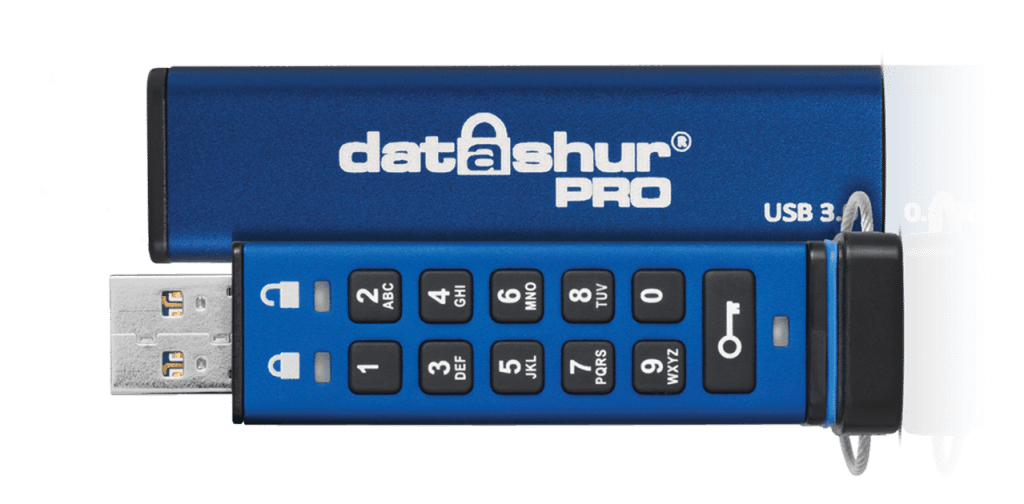
iStorage datAshur Pro review: encrypted USB with PIN pad
The iStorage datAshur Pro offers AES-256 hardware encryption with a built-in PIN pad. No software required, works on any operating system.
Other

Organic Maps review — offline navigation without tracking
Organic Maps is an open-source navigation app based on OpenStreetMap. No account, no tracking, fully offline. The honest alternative to Google Maps.

Pi-hole review — network-wide DNS adblocker
Pi-hole is a DNS sinkhole that blocks ads and trackers for every device on your network — including smart TVs and IoT devices that don't support their own adblocker.

Tailscale review — private mesh network for your own devices
Tailscale connects all your devices in an encrypted private network without opening ports or managing a VPN server. No anonymity — but a powerful tool for remote home network access.

VeraCrypt review — encrypted containers and disk encryption
VeraCrypt creates encrypted containers and can encrypt full drives or partitions. Open-source, audited, and supports hidden volumes for plausible deniability.

Whonix review — Tor-based operating system in two VMs
Whonix isolates your working environment from your network connection via two virtual machines. All traffic goes through Tor. Even with a compromised Workstation, your IP address cannot leak.
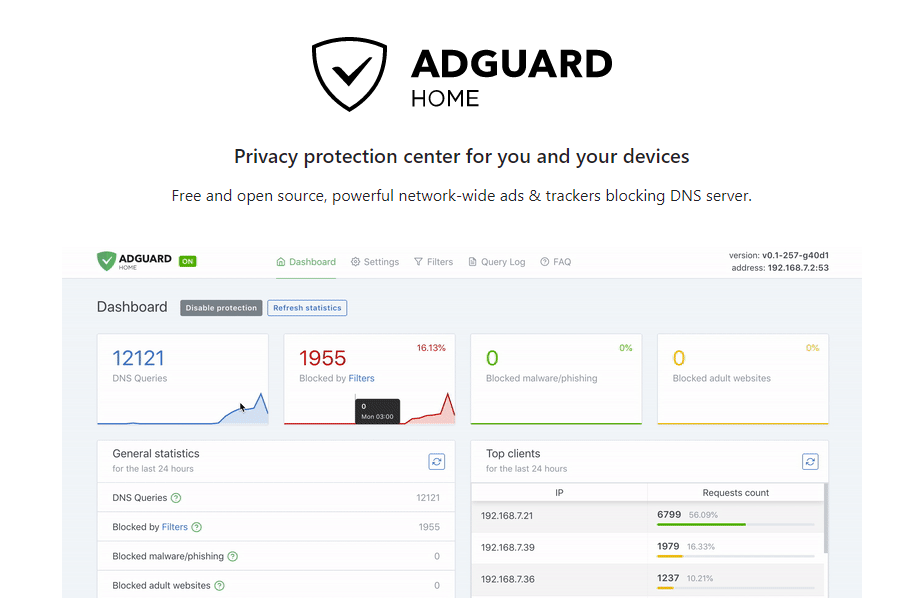
AdGuard Home review — DNS ad blocker for your entire network
AdGuard Home blocks ads, trackers and malware domains at DNS level for every device on your network. Runs on your router, NAS or Raspberry Pi.

Aegis Authenticator review — open-source 2FA for Android
Aegis is the best open-source TOTP authenticator for Android. Encrypted backup, biometric unlock, no cloud dependency and completely offline.
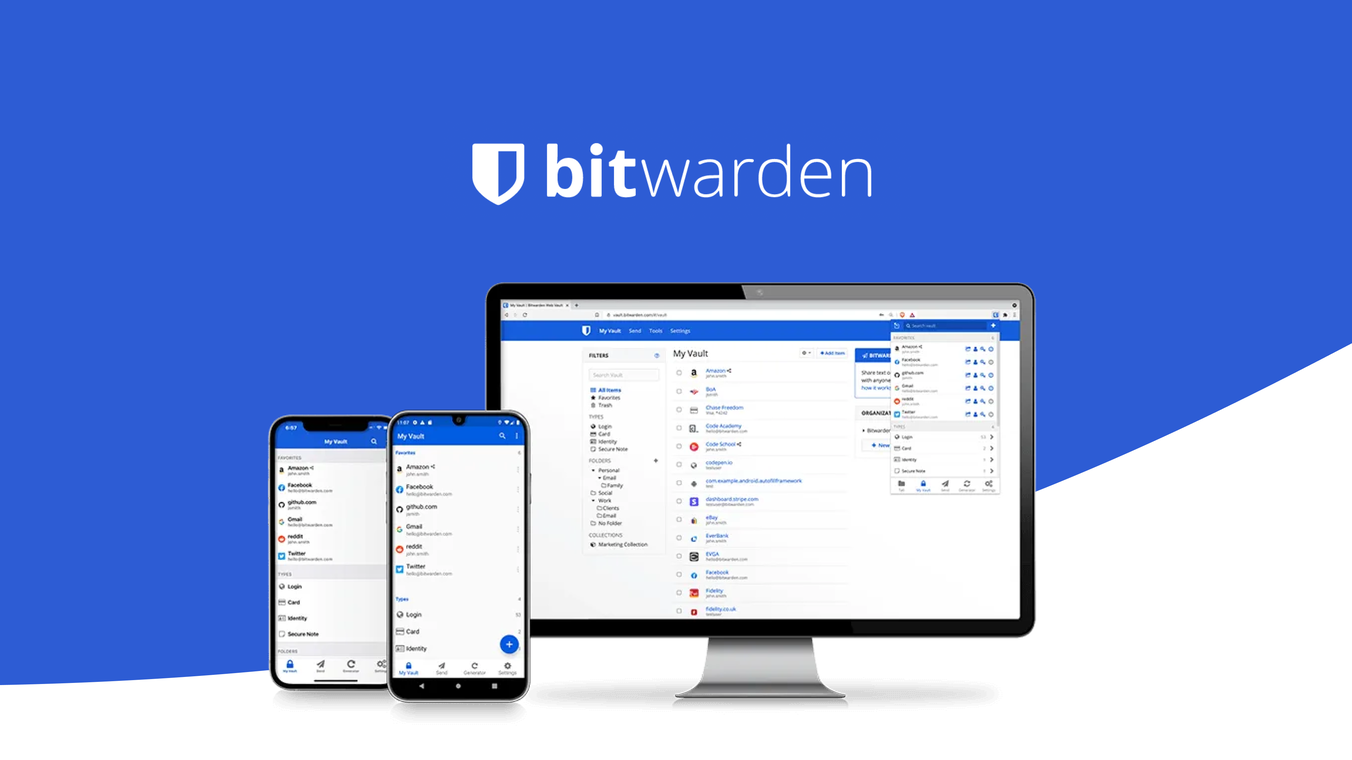
Bitwarden review — open-source password manager
Bitwarden is the most recommended open-source password manager. Zero-knowledge architecture, self-hosting possible, free for personal use.

Browser comparison: Firefox vs Brave vs Tor Browser
Which browser fits your threat profile? Firefox for configurable privacy, Brave for built-in protection, Tor Browser for maximum anonymity.

Bug and camera detector T15 review — detecting hidden cameras and listening devices
The T15 detector combines RF detection for listening devices with a lens detector for hidden cameras. Useful for Airbnb, hotel rooms, and private conversations.
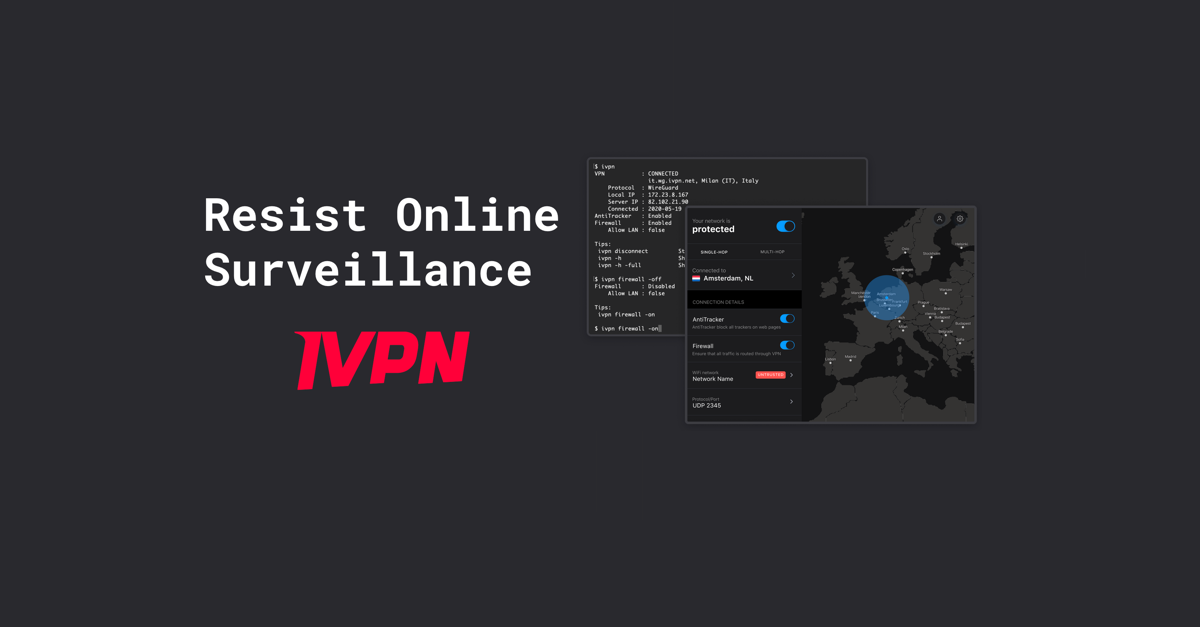
IVPN review — maximum control over your VPN connection
IVPN offers multi-hop as standard, Monero payment without an account, and more configuration options than Mullvad or ProtonVPN. For those who want the maximum.
KeePassXC review — offline password manager without cloud
KeePassXC stores your passwords locally in an encrypted file. No cloud, no synchronisation unless you arrange it. The choice for those who want complete control.
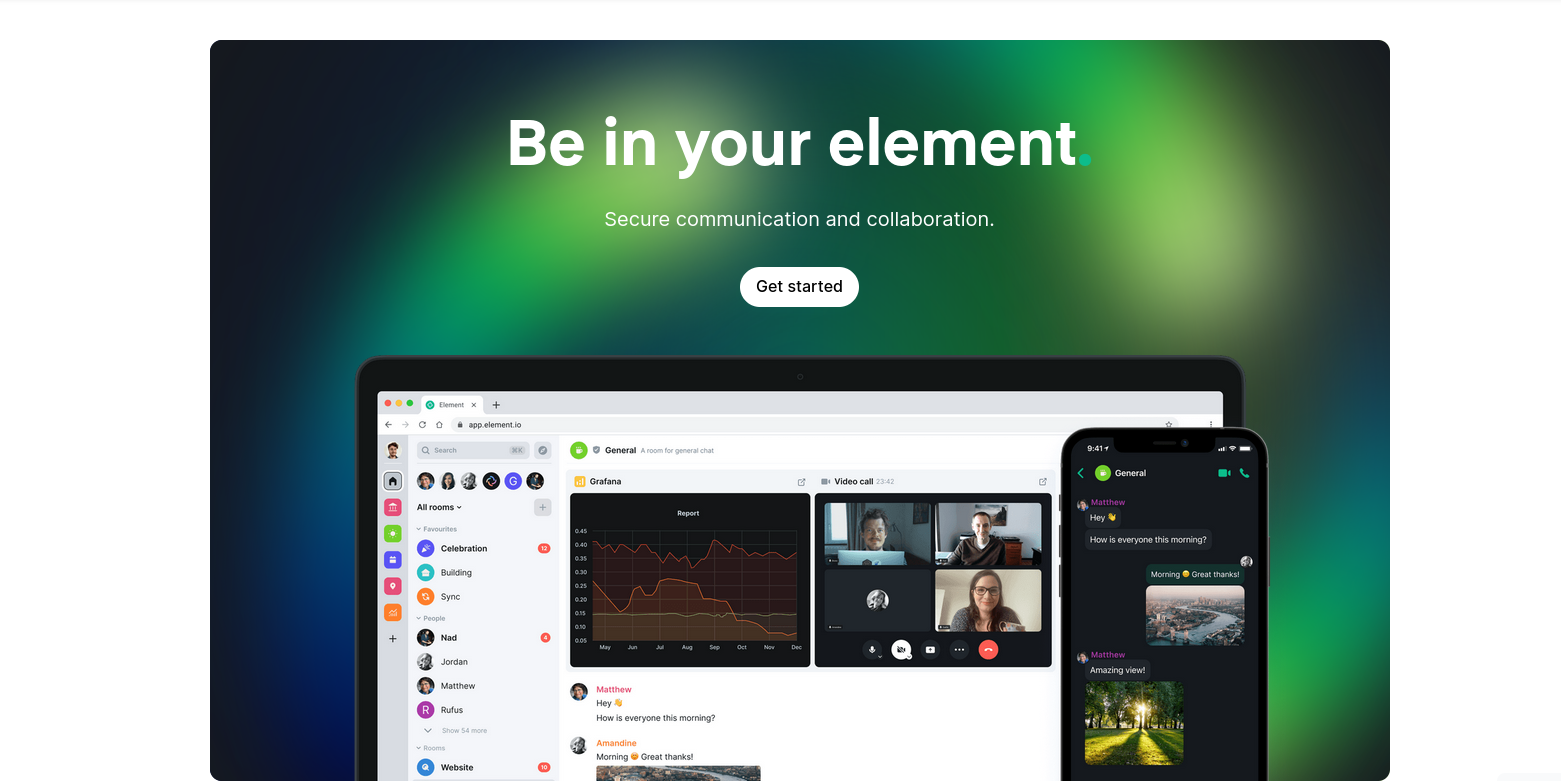
Matrix and Element review — decentralised messaging
Matrix is an open protocol for decentralised messaging. Element is the most widely used client. You can run your own server — nobody controls your communication.
Mullvad VPN review
Mullvad works without an email address, accepts cash and Monero, and has been independently audited multiple times. Used daily.
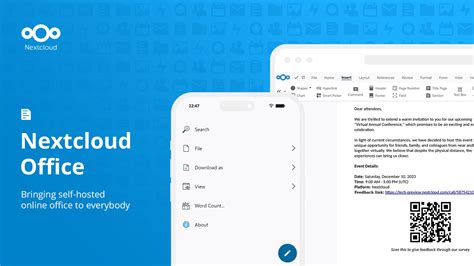
Nextcloud review — self-hosted cloud for files, calendar and more
Nextcloud is an open-source platform that lets you replace Google Drive, Google Calendar and Google Contacts on your own server. Fully under your control.
Proton Drive review — encrypted cloud storage
Proton Drive offers end-to-end encrypted file storage from the same team as Proton Mail. Zero-knowledge, free tier of 5 GB, desktop and mobile sync.
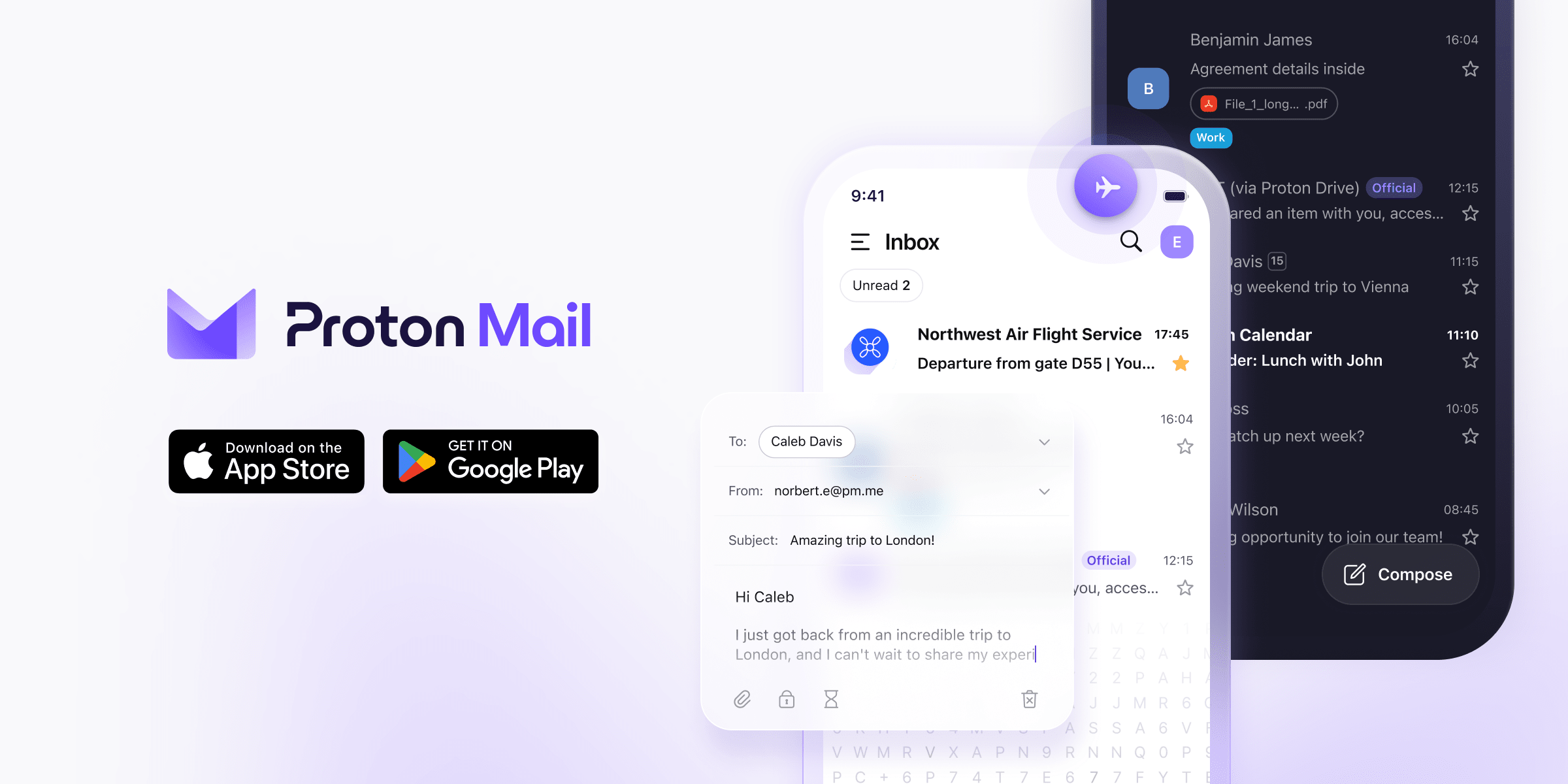
Proton Mail review — encrypted email from Switzerland
Proton Mail offers end-to-end encrypted email with a free tier, Swiss jurisdiction and zero-access encryption. What it protects and what it doesn't, explained.
ProtonVPN review — Swiss VPN with free tier and Secure Core
ProtonVPN offers a completely free tier, Secure Core multi-hop routing and Tor-over-VPN. Compared with Mullvad — who is ProtonVPN the better choice for?
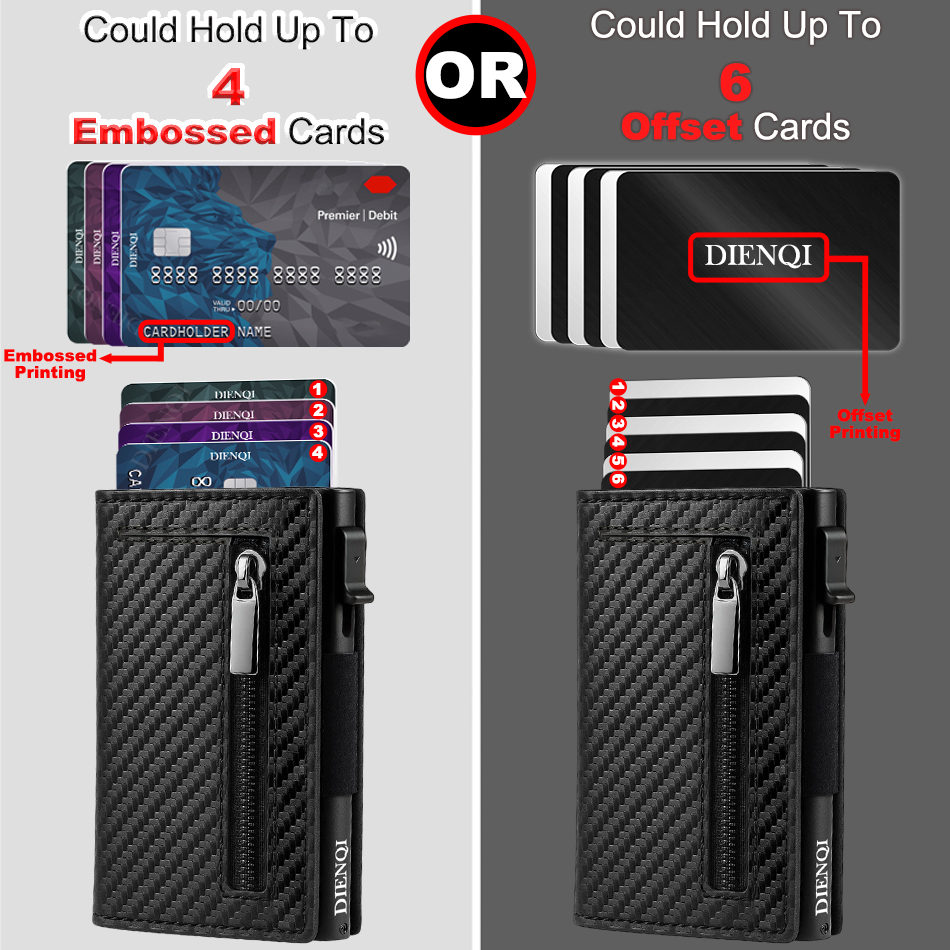
RFID-blocking wallet review
RFID-blocking wallets prevent contactless bank cards from being read remotely. Useful accessory or unnecessary hype?

Signal and Molly review — the standard for encrypted calls and messages
Signal is the most recommended privacy-friendly messenger. Molly is a hardened fork for Android users who want to go further. The difference explained.
Tails OS review — the amnesic operating system
Tails is a live operating system you run from USB that leaves no trace. All traffic goes through Tor. For whistleblowers, journalists and situations where no trace may remain.

Thunderbird review — open-source email client for desktop
Thunderbird is Mozilla's open-source email client. Built-in PGP encryption, multi-account support and Proton Bridge compatibility. Free alternative to Outlook.
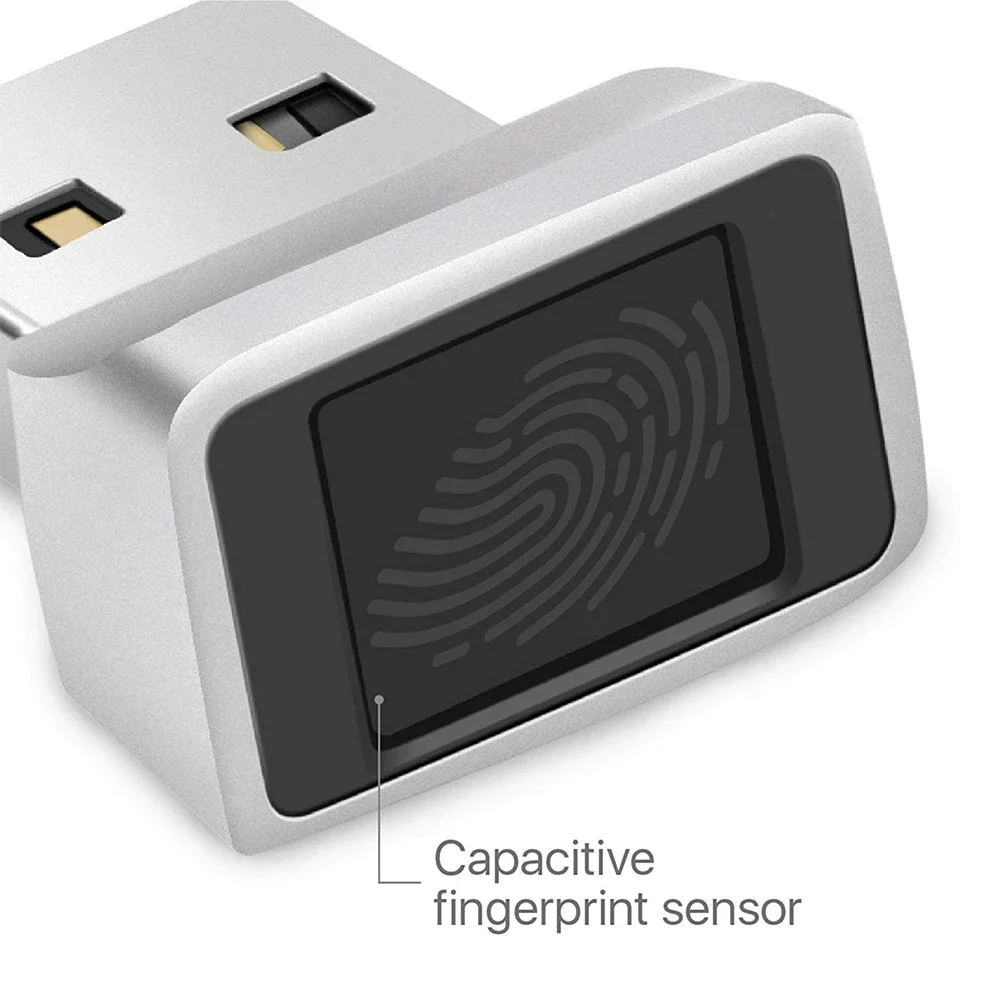
USB fingerprint scanner review — fast biometric login on Windows and Linux
A USB fingerprint scanner adds biometric security to your laptop or desktop. Faster and more convenient than typing a password — as long as you understand the trade-offs.