Google Pixel 11 and GrapheneOS
Google unveiled the Pixel 11 lineup on August 12, 2026 at its Made by Google event in New York, with preorders opening the same day and wide availability starting August 20. The specs below are no longer leaks — these are Google's own announced figures. What's still an open question: whether GrapheneOS will support this generation the way it has every Pixel since the 6.
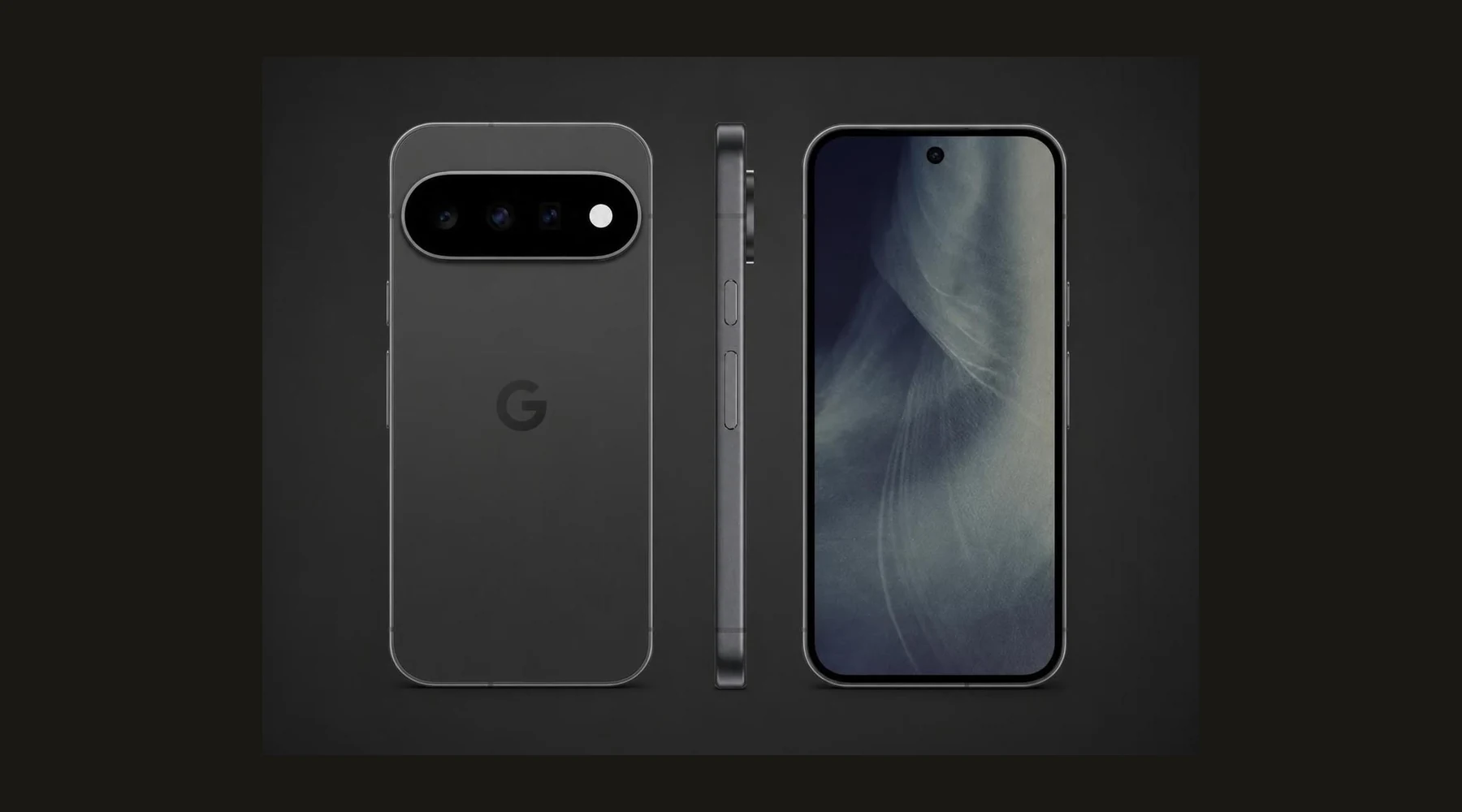
Google Pixel 11 and GrapheneOS
Google unveiled the Pixel 11 lineup on August 12, 2026 at its Made by Google event in New York, with preorders opening the same day and wide availability starting August 20. The specs below are no longer leaks — these are Google’s own announced figures. What’s still an open question: whether GrapheneOS will support this generation the way it has every Pixel since the 6.
Who is this for? Anyone deciding between waiting for GrapheneOS support on the Pixel 11 or buying an already-supported Pixel now. If you need a GrapheneOS phone in the near term, the Pixel 10a or Pixel 10 remain the safer choice — see Which Pixel do you need for GrapheneOS? for the full comparison.
Specifications (announced, no longer leaked)
| Property | Value |
|---|---|
| Chip | Tensor G6 — TSMC’s enhanced 3nm process. 7 cores: 1× “C1 Ultra” @4.1GHz, 4× “C1 Pro” @3.4GHz, 2× “C1 Pro” @2.65GHz. PowerVR GPU |
| Security chip | Titan M3, with post-quantum cryptography support |
| RAM | 12 GB — single tier, no 8GB option this generation |
| Storage | 256 GB / 512 GB — the 128GB option is gone this year |
| Display | 6.3” OLED (Actua), 1080×2424, up to 3,000 nits peak brightness |
| Rear camera | 48MP main (f/1.7) + 13MP ultrawide (f/2.2) + 10.8MP telephoto (f/3.1, 5x optical) |
| Front camera | 10.5MP, f/2.2, ultrawide |
| Battery | 4,985 mAh, 30W wired / 25W wireless (Qi2) |
| Modem | MediaTek M90 — a real switch away from the Exynos modem used in recent generations |
| OS | Android 17 |
| New this year | 4K Portrait Video, deeper Gemini integration, tougher display glass. “HiLight” (the ambient notification-light feature, formerly leaked as “Pixel Glow”) is Pro and Pro XL exclusive — the base Pixel 11 doesn’t get it |
| Lineup | Pixel 11, Pixel 11 Pro, Pixel 11 Pro XL, Pixel 11 Pro Fold |
| Price (US, confirmed) | $899 (256GB) / $1,019 (512GB) — a real price increase over the Pixel 10’s $799 entry price |
| GrapheneOS | Not yet supported — see below |
Sources: Google’s own Made by Google keynote (August 12, 2026), cross-checked against GSMArena’s spec page and Android Authority’s Tensor G6 coverage. The chip’s process node was corrected after publication: earlier pre-launch reporting claimed TSMC 2nm, but Google’s own VP of Hardware confirmed in an August 13, 2026 interview (CNA, Taiwan) that Tensor G6 actually uses TSMC’s enhanced 3nm process — Samsung’s Exynos 2600 holds the “first 2nm smartphone chip” distinction instead. Performance figures (~20% efficiency gain, ~25% faster web browsing, ~15% faster app loading) are Google’s own comparison to the Tensor G5, not independently verified.
GrapheneOS support: not yet confirmed, and genuinely uncertain for the first time
Every previous Pixel generation followed the same pattern: GrapheneOS added support shortly after launch (often marked “experimental” first, before moving to stable production support — the Pixel 10a followed exactly this path earlier this year). There was never really a question of whether a new Pixel would eventually be supported, only when.
That’s no longer a safe assumption. In March 2026, GrapheneOS confirmed its long-awaited non-Pixel hardware partner: Motorola, ending GrapheneOS’s Pixel exclusivity — see GrapheneOS and Motorola: what this announcement actually changes today for the full context. Official Motorola-based support is targeted at flagship Qualcomm devices in 2027 — separate hardware, not a replacement for existing Pixel builds. At that announcement, GrapheneOS’s own developers said they plan to keep supporting current Pixels and keep adding newly launched models “for now” — but added, in their own words, that they don’t know how long they’ll be able to keep supporting future Pixels.
Read that soberly: GrapheneOS is almost certainly planning to support the Pixel 11 the way it has every recent Pixel — nothing here suggests otherwise. What’s changed is that this is no longer guaranteed multiple generations ahead the way it effectively was before. If a phone’s multi-year GrapheneOS update horizon matters to your choice — not just whether it’s supported on day one, but whether that still holds for the Pixel 12 or 13 you might switch to later — that’s a real, new variable that didn’t exist with the Pixel 10 generation.
None of this calls for action today. GrapheneOS support for a phone that just launched never existed on day one anyway — this isn’t a unique red flag for the Pixel 11. It’s a caveat worth knowing before treating “Pixel = safe GrapheneOS default for years” as a settled fact the way it used to be.
Caveats
This page now reflects the announcement, but GrapheneOS support is still genuinely absent. The table above comes from Google’s own keynote and spec sheets, not leaks anymore — but that doesn’t change the GrapheneOS status. Treat this page as current hardware information, not yet buying advice for GrapheneOS users.
The GrapheneOS timeline is still unknown, even now. GrapheneOS support has historically taken anywhere from the same day to several weeks after launch, starting as “experimental” before production stability follows. This page will be updated once GrapheneOS support for the Pixel 11 actually exists.
EU pricing isn’t confirmed in this update. The $899 figure above is Google’s own US price. EU pricing will be added once confirmed directly by Google.
Buy now: alternatives with confirmed GrapheneOS support
As long as GrapheneOS doesn’t yet support the Pixel 11:
- Pixel 10a with GrapheneOS review — Tensor G4, full GrapheneOS production support, currently the best value.
- Pixel 10 with GrapheneOS review — Tensor G5, full production support, newer generation.
Next step
Choosing between Pixel generations?
- Which Pixel do you need for GrapheneOS? — full model comparison, updated once new models are confirmed
- Google Pixel 11 Pro and GrapheneOS — the Pro variant, same event, same open GrapheneOS question
Available options now
- Pixel 10a with GrapheneOS review — best current value
- Pixel 10 with GrapheneOS review — newer chip, full support
Already have a supported Pixel?
- Installing GrapheneOS on a Pixel: step by step — 15–30 minutes