Pixel 10a with GrapheneOS review
Who is this for? Anyone who wants the best value in the Pixel 10 generation — the same security hardware as the pricier models, lower price. See the Which Pixel for GrapheneOS? guide for a full overview.
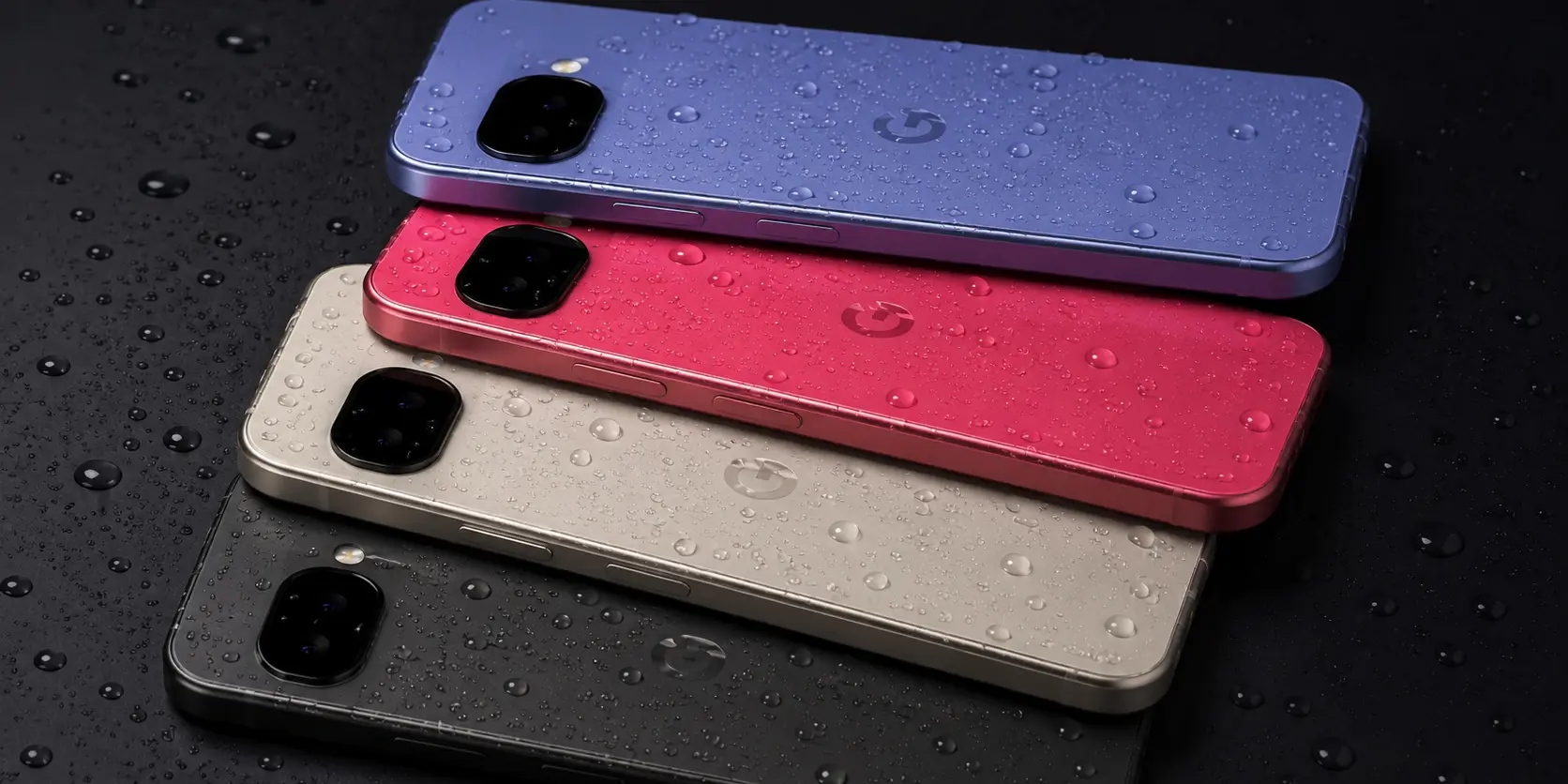
Pixel 10a with GrapheneOS review
Who is this for? Anyone who wants the best value in the Pixel 10 generation — the same security hardware as the pricier models, lower price. See the Which Pixel for GrapheneOS? guide for a full overview.
The Pixel 10a follows the familiar a-series pattern: Tensor G4, Titan M2, lower price than the regular Pixel 10. GrapheneOS production support is now available for this model.
Specifications
| Property | Value |
|---|---|
| Chip | Google Tensor G4 |
| Security chip | Titan M2 |
| RAM | 8 GB |
| Storage | 128 GB / 256 GB |
| Screen | 6.3” OLED, 120 Hz |
| Battery | 5,100 mAh, 30W wired charging |
| Wireless charging | Yes — Qi, 10W (no Qi2, notably slower than newer Pixel generations) |
| UWB | No |
| IP rating | IP68 |
| Wi-Fi | Wi-Fi 6E |
| Updates | 7 years from launch |
| GrapheneOS | Full production support |
| GrapheneOS install | Free — self-installable via web installer (15–30 min) |
| Price | Check current retail pricing and storage tier |
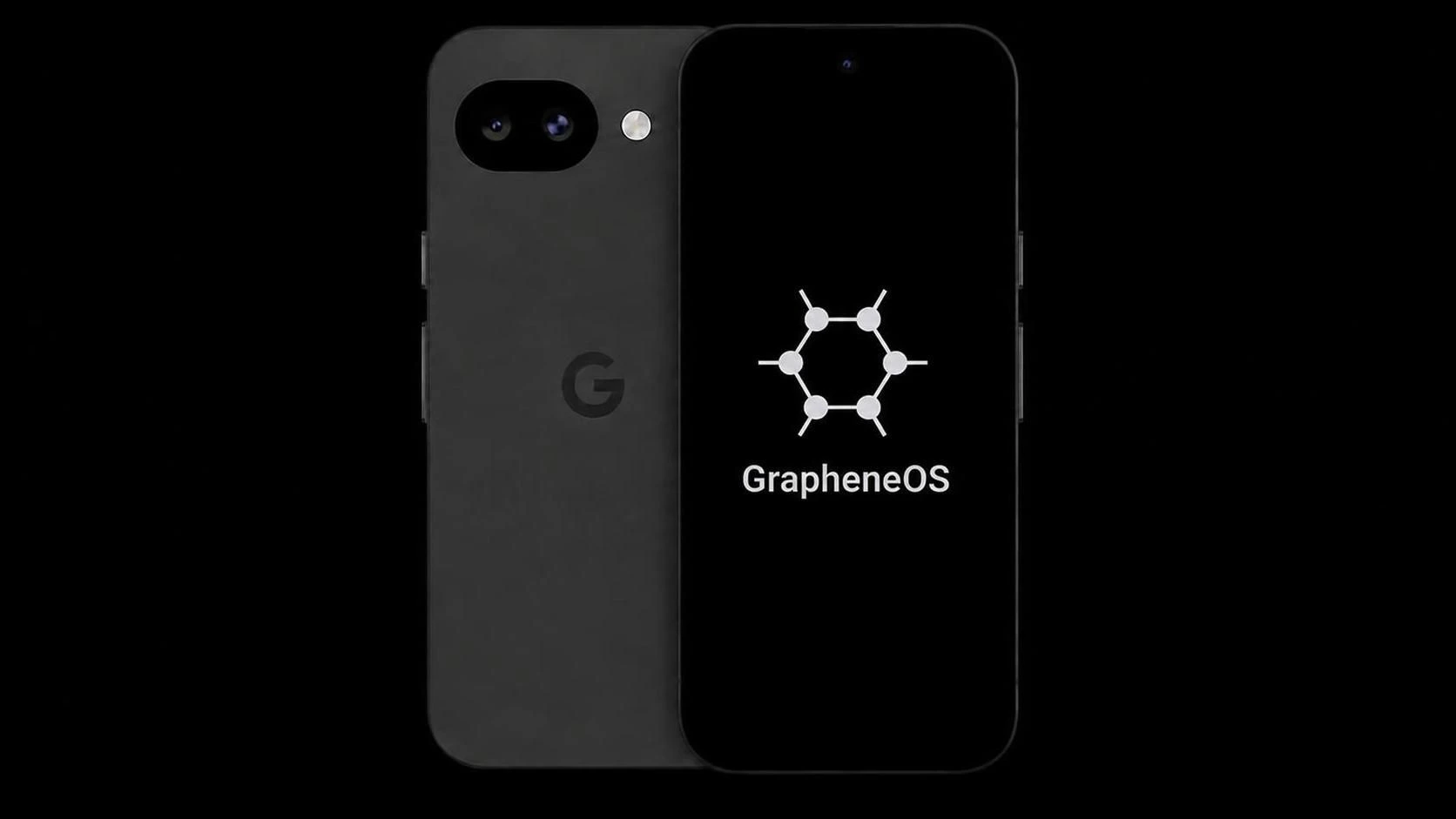
Why the 10a for GrapheneOS?
The Pixel 10a has Tensor G4 and Titan M2 — the same security chip as the Pixel 10 Pro. Verified boot with user-configurable keys. GrapheneOS fully supports the 10a in production — check the current status at grapheneos.org.
Price: The exact gap versus the Pixel 10 or 9a moves around quickly by retailer. The important point is whether the 10a stays meaningfully cheaper than the regular model. What you give up going from the Pixel 10 to the 10a: a less premium camera module. What you keep: the same security chip, the same update window.
Support window: Google promises seven years of OS, security, and Pixel Drop updates from launch.
10a vs Pixel 10 base vs Pixel 9a
| Pixel 10a | Pixel 10 | Pixel 9a | |
|---|---|---|---|
| Price | ~€450–550 / $499 (April 2026) | ~€550–650 / $799 (April 2026) | ~€350–400 / $499 (April 2026) |
| Chip | Tensor G4 | Tensor G5 | Tensor G4 |
| Updates until | ~2033 | ~2032 | ~2032 |
| UWB | No | No | No |
| IP rating | IP68 | IP68 | IP68 |
| GrapheneOS | Production | Production | Production |
10a vs Pixel 10 base: The Pixel 10 has Tensor G5 (newer generation). The 10a has Tensor G4 but a slightly longer update window (~2033 vs ~2032). Check current price difference.
10a vs Pixel 9a: Both Tensor G4, both IP68, comparable security guarantees. The 10a has a slightly longer update window and is newer. Both now have full GrapheneOS production support — the 9a (~€350–400 / $499) remains the more budget-friendly option with the same Tensor G4.
Daily use with GrapheneOS
Works well:
- Signal, Element, Session: flawless
- Vanadium browser: fast, stable
- Organic Maps, F-Droid apps: everything works
- Wireless charging on Qi chargers (10W — slower than newer Pixels, but works)
- Wi-Fi 6E
Needs attention:
- Banking apps: mixed — some require sandboxed Google Play
- Netflix / DRM content: requires sandboxed Google Play for Widevine L1
- NFC payments (Google Pay): requires sandboxed Google Play setup
Caveats
No UWB: Like the Pixel 10 base. Digital car keys require the Pixel 10 Pro.
Pixel 9a as alternative: The Pixel 9a (~€350–400 / $499) offers comparable security hardware with the same Tensor G4 and full GrapheneOS production support. If the 10a is significantly pricier, the 9a is the more rational choice.
Pros and cons
Pros
- Tensor G4 and Titan M2 — solid security hardware at a lower price than the Pixel 10
- Updates until ~2033 — slightly longer than the Pixel 10 (~2032)
- IP68 water resistance
- Wi-Fi 6E, wireless charging
Cons
- No UWB — no digital car keys
- Pixel 9a (~€350–400 / $499) offers comparable security with the same Tensor G4 at a lower price
Conclusion
The Pixel 10a has solid security hardware, a slightly longer update window than the Pixel 10 (~2033 vs 2032), and full GrapheneOS production support. The main comparison point is price: if the Pixel 9a (€350–400 / $499) is significantly cheaper and budget matters, it offers the same Tensor G4 and comparable security guarantees for less.
Next step
Chosen the Pixel 10a?
- Installing GrapheneOS on Pixel — step-by-step installation guide, takes 15–30 minutes
- GrapheneOS first setup — what to do right after installation
Similar options
- Pixel 9a review — same Tensor G4 at a lower price
- Pixel 10 review — base model with Tensor G5
Want to go further?
- Which Pixel for GrapheneOS? — full model overview with comparison table