RFID-blocking wallet review
Contactless bank cards, transit cards, and ID cards communicate via RFID (Radio Frequency Identification) or NFC. A reader at close range can read these cards — in principle without you noticing.
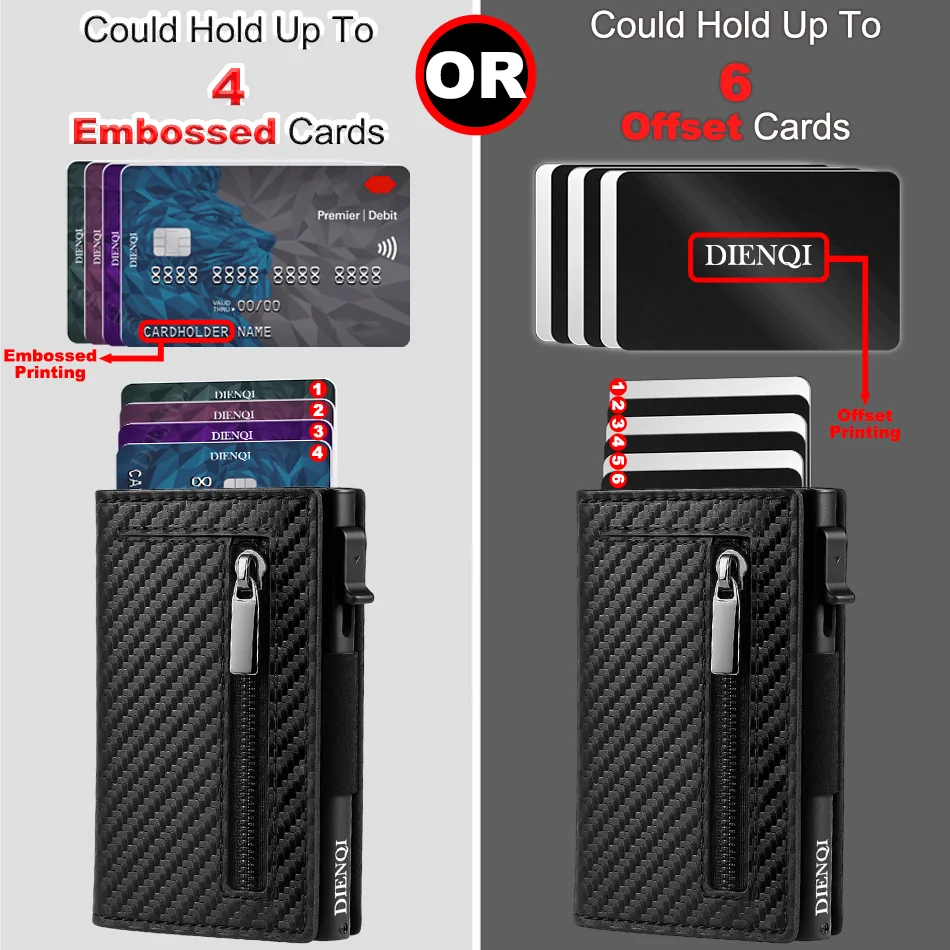
RFID-blocking wallet review
Contactless bank cards, transit cards, and ID cards communicate via RFID (Radio Frequency Identification) or NFC. A reader at close range can read these cards — in principle without you noticing.
Who is this for? Anyone who wants to shield contactless payment cards or transit cards from being read remotely. The practical risk is low in most countries — but the protection is cheap and simple.
RFID-blocking wallets and card holders contain a foil that blocks radio waves in the relevant frequency range.
Is the risk real?
The theoretical risk: Someone with a wireless reader could in principle read your contactless bank card when within ~10 cm. Modern EMV contactless payment cards have limited protection against this: a payment usually requires action from the cardholder (for higher amounts), but card numbers and expiry dates are readable.
The practical risk: In practice, documented cases of “RFID theft” are rare. Banks monitor for unusual transactions. The risk exists but is not significant.
Transit cards and ID cards: Transit cards store travel data that can be read. Passports with RFID chips (biometric) contain name, photo, and date of birth — but are protected with Basic Access Control (BAC) meaning the chip is only readable when the passport is open.
Conclusion: An RFID wallet is a sensible, inexpensive precaution, but not a critical security need for most people.
How RFID blocking works
RFID-blocking wallets contain a layer of metal foil (aluminium or carbon fibre) that acts as a Faraday cage. Radio waves at 13.56 MHz (NFC/contactless payments) and 125 kHz (older RFID) are blocked.
What is blocked:
- Contactless bank cards (13.56 MHz)
- Transit cards
- RFID access badges
- Biometric passports (partially)
What is not blocked:
- Mobile phone (Bluetooth, WiFi, 4G)
- Actively initiated mobile payments (Apple Pay, Google Pay require deliberate action)
Specifications
| Property | Value |
|---|---|
| Blocked frequencies | 13.56 MHz (NFC), 125 kHz (RFID) |
| Material | Aluminium foil inlay, leather or nylon exterior |
| Card capacity | 4–12 cards (depending on model) |
| Price | €10–40 / $10–40 (varies by seller — Amazon.com and EU retailers show similar ranges) |
| Certification | No standard, manufacturer tested |
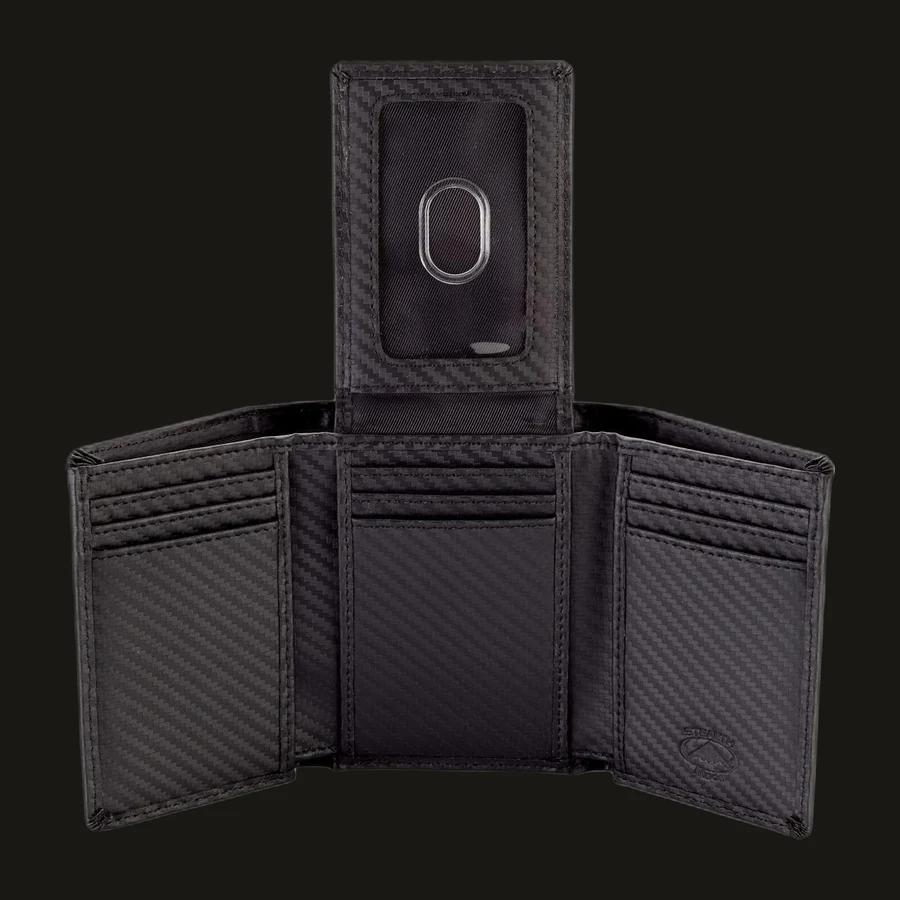
What to look for when buying
Verify the blocking: Good wallets are tested. Put your transit card in the wallet and try to scan it at a gate — it should be rejected. Do the same with your bank card at a contactless payment terminal.
Capacity: Choose based on the number of cards you carry. A slim card holder (3–4 cards) is sufficient for most people.
Material: Aluminium inlay is effective and cheap. Carbon fibre variants are more expensive but not necessarily better. Leather or nylon exterior is a matter of preference.
Slide design: Some wallets have a slide mechanism that pushes cards up for easy access. Convenient, but check whether this compromises the blocking.
Alternatives
Aluminium card holder: A simple aluminium card holder (€5–10 / $5–10) does the same as an expensive RFID wallet. The foil is the working part.
RFID protection sleeve per card: Individual foil card sleeves (€1–3 / $1–3 each) protect one card per sleeve. More flexible if you don’t want to block all cards.
DIY: A piece of kitchen foil wrapped around your bank card works. Not practical for daily use, but the principle is identical.
Caveats
This is mostly a low-cost precaution, not a major risk reducer: The main selling point is that it is cheap and simple, not that it closes a huge real-world threat for most people.
Quality claims are weakly standardised: Many products say “RFID blocking,” but there is no single certification regime that makes those labels especially meaningful. You still need to test what you bought.
It is easy to mistake neatness for necessity: If you like the accessory anyway, fine. But many people would get the same practical outcome from a cheap sleeve or card holder instead of treating this as a serious security upgrade.
Pros and cons
Pros
- Blocks contactless bank cards (13.56 MHz), transit cards, and RFID access badges passively — no configuration needed
- A simple aluminium card holder at €5–10 / $5–10 achieves the same blocking as an expensive leather wallet
- Easy to verify: test with your transit card at a gate or bank card at a payment terminal
- Individual RFID protection sleeves (€1–3 / $1–3 each) allow selective protection of specific cards
Cons
- Documented cases of RFID theft are rare — the risk is real but not significant for most people
- No certification standard — “RFID blocking” is manufacturer-tested only, quality varies
- Does not block mobile payments (Apple Pay, Google Pay) which require deliberate action anyway
- Slide mechanisms that push cards up can compromise the blocking seal
Conclusion
An RFID-blocking wallet is a sensible, affordable precaution. The risk of contactless card theft is not large, but the protection costs little. For anyone carrying contactless transit cards and bank cards in one place: it’s worth the small investment.
Choose a wallet you’ll actually use — a cheap aluminium card holder you always carry is better than an expensive leather wallet that stays at home.
Next step
Got an RFID wallet?
- Test it yourself: put your transit card in the wallet and scan at a gate — it should be rejected
Similar options
- USB data blocker review — protection while charging on the go
- Privacy screen review — preventing shoulder surfing in public
Want to go further?
- The normal baseline — which security measures match your use