
Installing GrapheneOS on a Pixel: step by step (2026)
A complete installation guide for GrapheneOS on a Google Pixel device. From unlocking the bootloader to first boot — everything explained.
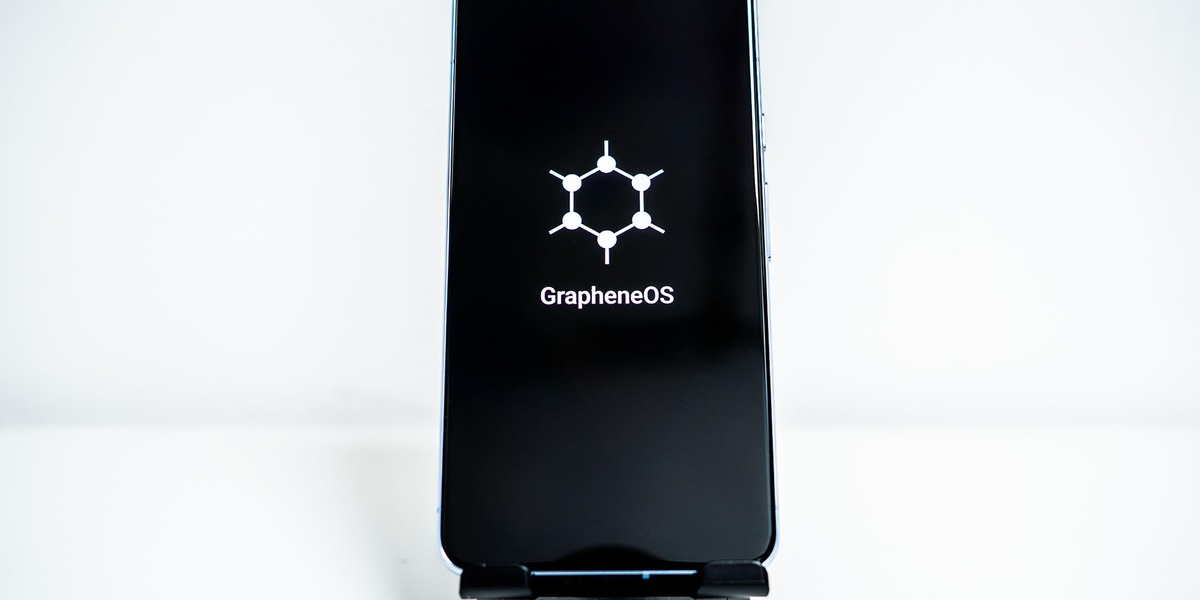
Installing GrapheneOS on a Pixel: step by step (2026)
Installing GrapheneOS is simpler than it sounds. The official web-based installer does most of the work. This article walks you through the full process.
Time estimate: 20–40 minutes, depending on your internet speed.
What do you need?
- A supported Pixel device (8a, 9, 9 Pro, 7a — see the full list on grapheneos.org)
- A computer with Chrome or Edge (the installer uses WebUSB — Firefox and Safari are not supported)
- A good USB-C cable — preferably the original or a quality cable
- An internet connection for downloading GrapheneOS (~1.5 GB)
Step 1: Back up your data
Installation wipes everything on the device. Back up anything you want to keep first.
If it is a new or empty device, skip this step.
Step 2: Enable developer mode
On the Pixel device:
- Go to Settings → About phone
- Tap Build number seven times
- Enter your PIN if prompted
- Go back to Settings → System → Developer options
- Enable OEM unlocking
If “OEM unlocking” is greyed out, the device is likely tied to a corporate policy or carrier lock. Resolve this before continuing.
Step 3: Open the GrapheneOS installer
On your computer, go to grapheneos.org/install/web in Chrome or Edge.
Click “WebUSB” to start the browser-based installer.
Step 4: Connect the device
Connect the Pixel device to your computer with a USB-C cable.
The installer will ask you to put the device into fastboot mode:
- Turn the device fully off
- Hold the volume down button and press the power button simultaneously
- Release when you see the fastboot screen (text at the bottom of the screen)
Click “Connect” in the installer and select the Pixel device from the browser popup.
Step 5: Unlock the bootloader
The installer guides you through unlocking the bootloader.
On the device screen, a prompt appears: “Unlock the bootloader?”
Use the volume buttons to navigate and the power button to confirm.
The device wipes itself completely — this is normal and part of the process.
Step 6: Download and flash GrapheneOS
After unlocking, the installer automatically:
- Downloads the correct GrapheneOS version for your device
- Verifies the download (cryptographic signature)
- Flashes the operating system
This takes 10–20 minutes depending on your connection. Do not disconnect the device.
Step 7: Re-lock the bootloader
After flashing, re-lock the bootloader. This is a critical step that many people skip — do not skip it.
Locking activates verified boot with the GrapheneOS key. Every boot from now on verifies that the system is intact.
The installer provides the instruction. Confirm on the device.
Step 8: First boot
Disconnect the USB cable and boot the device.
The first boot takes longer than usual — up to two minutes. This is normal.
You will see the GrapheneOS setup wizard. Follow the steps for language, network and basic settings.
Common mistakes
“OEM unlocking is greyed out” The device has a carrier lock or corporate MDM policy. Contact the seller or carrier to resolve this before continuing.
The installer does not recognise the device Try a different USB-C cable — bad cables are the most common cause. Also try a different USB port on your computer.
“Locking bootloader failed” Sometimes you need to wait until the device has fully booted after flashing, then enter fastboot mode again for locking. The installer will indicate this.
The device does not boot after installation If the device gets stuck on a red warning screen, verified boot has detected something wrong. Run the installation steps again through the installer.
After installation
Installation is complete. What now?
Read our first setup guide: which apps, which settings, and how to configure the device for daily use.